
How a carbon programme actually works, end to end
Behind every carbon credit is a working programme: field teams, evidence, approvals, verification and a registry. This guide explains how the pieces connect — and how the India and global context shapes each stage.
- Field to registry
- India & global
- Audit-ready
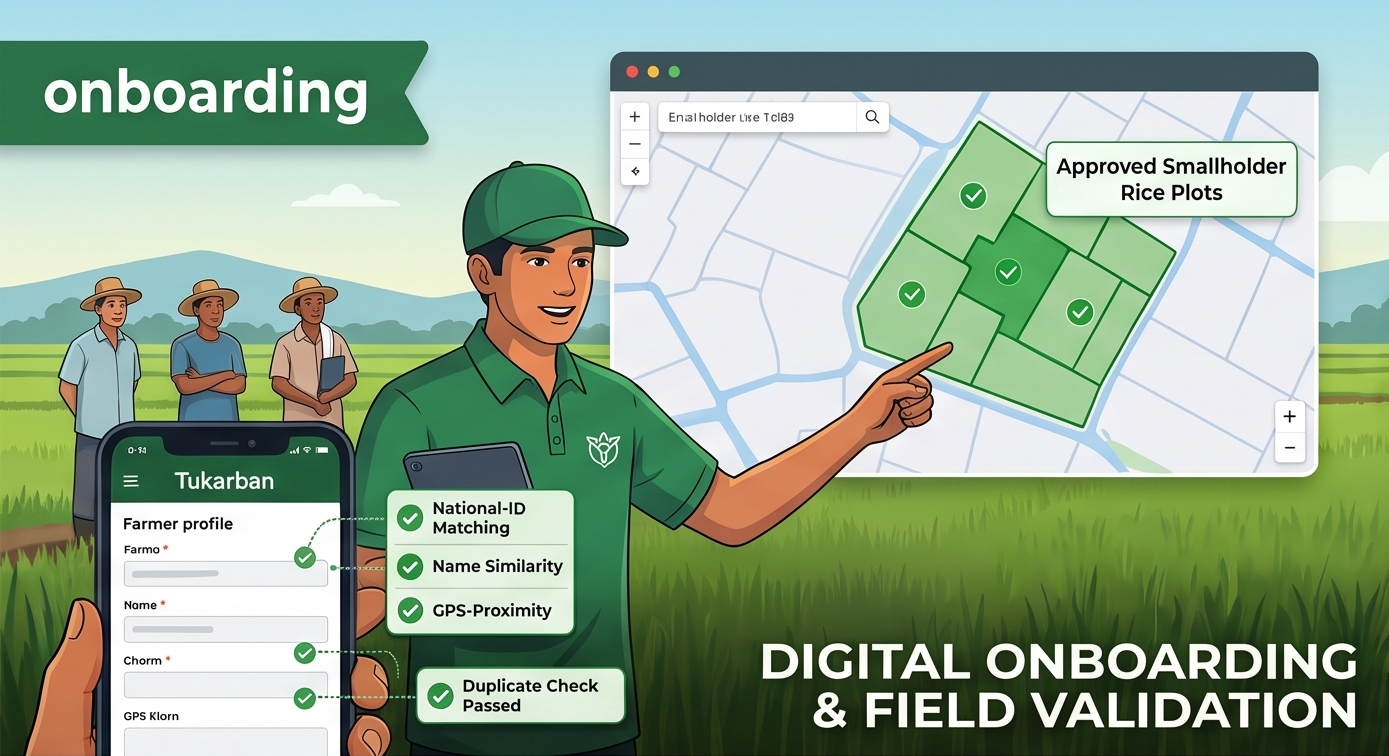
A carbon programme can look like a black box from the outside — projects go in, credits come out. In practice it's a well-defined operational chain: a project is set up under a methodology, field teams collect and document evidence, that evidence is reviewed and approved, an accredited verifier confirms the impact, and a registry issues credits. This guide walks the whole chain in plain terms, shows where the work actually happens, and explains how the same programme is shaped differently by the Indian context and by international registries.
The full lifecycle, from field to registry
Every carbon programme runs the same core loop. Understanding it makes the paperwork — and where it can go wrong — far less mysterious.
- 01
Project setup
A project is defined under a methodology — boundary, baseline and monitoring plan — and the field schema is configured to match.
- 02
Field data & evidence
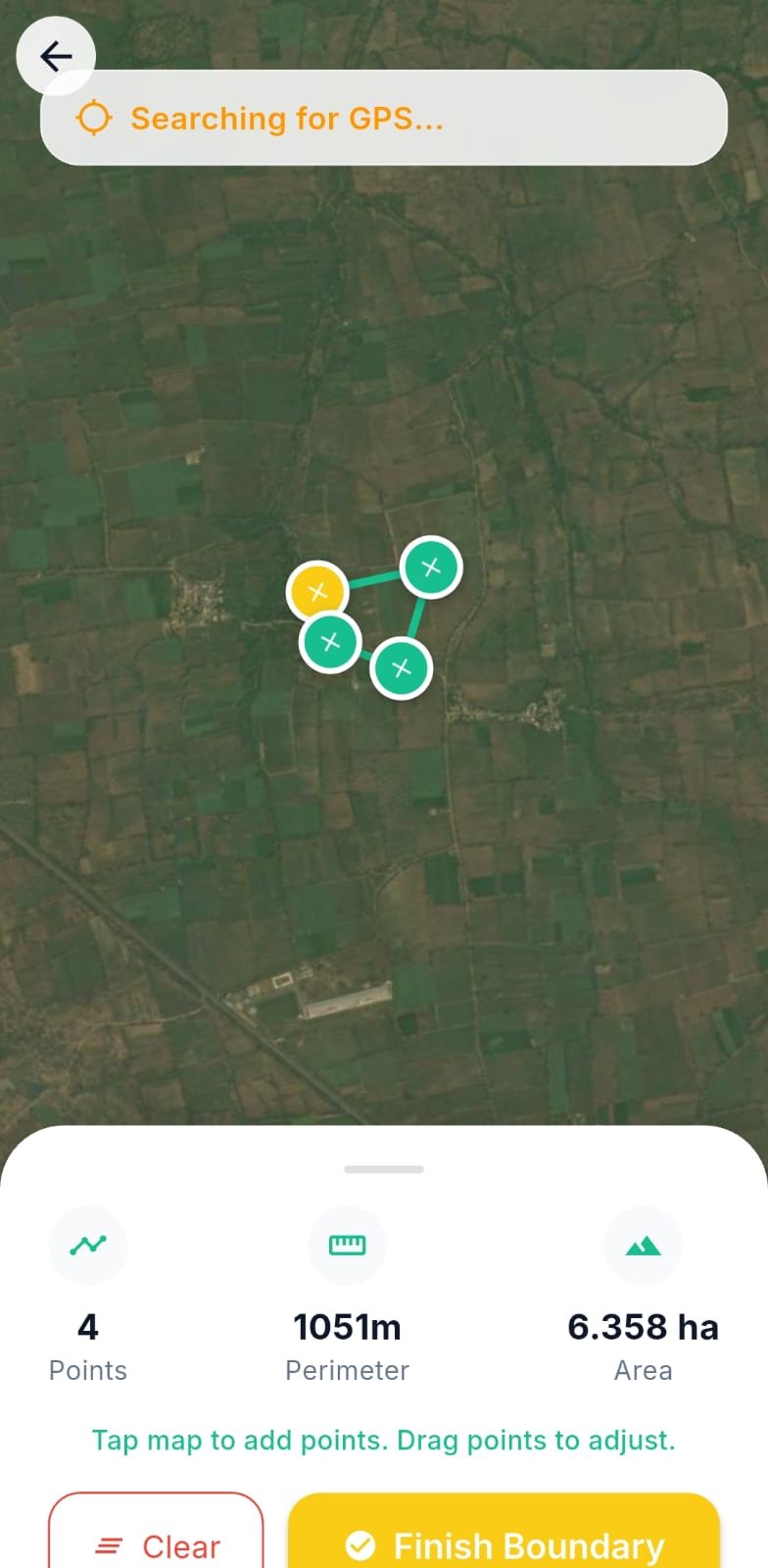
Field teams register participants and plots, map GPS boundaries and capture geo-tagged, timestamped photo evidence — offline where needed, syncing when back in range.
- 03
Verification
Records pass through internal L1 / L2 approvals, then an accredited verifier examines the evidence against the methodology.
- 04
Registry & credits
A registry-mapped submission package is lodged with every figure traceable to source, and verified impact is issued as credits that can be retired or transacted.
How the work gets done: manual versus digital
The lifecycle is the same either way. How each stage is run decides whether a programme is credible and scalable.
Manual programmes
Run on paper and email
- Paper forms transcribed later, introducing delay and error
- Approvals by ad hoc email or WhatsApp, rarely with a recorded reason
- Evidence scattered across devices, inboxes and spreadsheets
- Status reconstructed manually whenever someone asks
- Hard to scale past a pilot or a single field team
Digital programmes
Run on connected MRV
- Offline-first capture on-site, synced automatically
- Structured L1 / L2 approvals with documented reasons
- One connected system of record for all evidence
- Live dashboards — status is always current
- Multi-tenant and role-based, so it scales cleanly
What runs a programme end to
Each capability maps to a stage of the lifecycle — together they make the whole chain traceable.
Methodology setup
Configure boundary, baseline and monitoring as forms and rules — no code.
Offline field capture
Register, map and log events on-site with no connectivity; sync later.
Verifiable evidence
GPS-locked, timestamped, in-app photos that prove provenance.
Approvals & review
Configurable L1 / L2 workflows with reviewer tracking.
Immutable trail
Append-only history of every action across the programme.
Boundaries & maps
Verified polygons with overlap detection across all plots.
Registry packages
Submission-ready exports mapped to registry requirements.
Programme dashboards
Live status by programme, district and team.
The whole programme, in one view
From a field visit to a registry submission, TrueCarbon keeps every stage of the lifecycle connected and legible.
Illustrative product UI — not a live dashboard.
6 stages
Setup, field data, evidence, verification, registry, finance
India & global
Aligned to domestic and international registry contexts
Field to registry
One connected chain of evidence
Audit-ready
Traceable records at every stage
Illustrative of a typical programme lifecycle — exact stages vary by methodology, registry and jurisdiction.
How it works for your programme type
Each methodology has its own India and global specifics. Pick your project type to see how the lifecycle applies.
Why running it well pays off
A programme that's credible and legible is a programme that finances itself.
Credibility
Traceable evidence at every stage means the programme stands up to scrutiny.
Efficiency
Connected workflows remove the transcription, chasing and reconstruction manual programmes live with.
Scalability
The same platform runs one pilot or a portfolio of programmes.
Fair benefit-sharing
Transparent records support verifiable, equitable payments to participants.
Registry alignment
Evidence structured for both domestic and international registry contexts.
Confidence
An immutable trail means every stakeholder can trust what the numbers say.
Frequently asked questions
Straight answers to the questions programme managers ask most.
What are the main stages of a carbon programme?
Project setup under a methodology; field data collection (registration, boundaries, events); evidence capture; internal approvals and independent verification; registry submission; and finally issuance of credits, which can be retired or transacted. Every stage feeds the next.
Who actually does the work in a carbon programme?
A programme manager configures and oversees it; field teams and enumerators collect data and evidence on the ground; internal reviewers approve records; accredited third parties validate and verify; and a registry issues credits. A dMRV platform is the connective tissue between all of them.
How is a carbon programme in India different from elsewhere?
The lifecycle is the same, but the context differs — domestic policy and market mechanisms, the mix of smallholder participants, and the registries and standards a project reports to. Programmes often operate with both an Indian context and international registry requirements in view, which shapes how evidence is structured.
What makes a programme credible to a verifier?
Evidence integrity end to end: verified boundaries, in-app GPS-locked photo capture, structured approvals with documented reasons, and an immutable trail linking every reported figure to a field event. Credibility is built stage by stage, not assembled before an audit.
Where do most programmes run into trouble?
In the gap between field work and verification. When data is captured on paper and transcribed later, evidence can't prove its provenance, and status is reconstructed by hand, findings surface late and cycles drag. Connected, offline-first MRV closes that gap.
Ready to start
Ready to digitise your carbon programme?
Tell us where you are — scoping, mid-registration or already issuing — and we'll show you exactly what would move onto TrueCarbon.